2013-08-09 by William J. Niemi
Hi, Steve....
I went out-of-the-box just over a year ago and it's been a very,
very worthwhile effort.
My rig... Sonar X2 on an i5, RME Fireface UFX, a Focusrite
Octopre, an Art Tube Opto 8, a pair of Focusrite ISA 428s, a late
80s A&H CMC24, and various hardware compressors, effects, and
so on.
I stay in the digital realm until tracking is done and then route
everything to the board. If my customers are willing to pay for
tape, I mix to an Otari 1/4" half track to which I have added a
Dolby 363. Some purists may not like the Dolby but in SR mode it
does amazing things, especially when the last part of your
recording is something like a long decaying chord from an acoustic
piano.
As far as workflow, it takes a bit of getting used to but it's not
rocket science. My board is 16x8x2 but will function as a 24x2.
I never use it that way any more, I always find a way to group my
project tracks so that I can send to 16 channels of the board.
The 3rd ADAT board is actually living in my synth rack, where I
have also installed a couple of effects units. I mainly use that
ADAT board for inserts but once in a while I'll run a synth into
it.
What this has done to my final product is improve it markedly.
The mixes have more dimension and the image is clearer. The
addition of the tape deck and the board were inspired by reading
Mixerman's Zen and the Art of Mixing, which is definitely worth
reading. He suggests that mixing to analog tape vs digital is
similar to the difference between watching film or an old TV. I
agree with that analogy even though it's hard to quantify exactly
what changes. My ears can tell the difference.
The downside of this is that since my mixer doesn't have recall, I
have to be very disciplined about how I use it. This means
writing down channel settings at the worst case, or the
alternative being to bypass the eq section and try to leave the
faders at 0 dB.
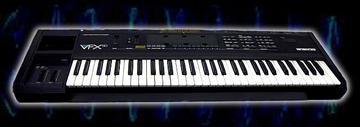
When I was still recording analog I used to sequence with my SD1
frequently. I have moved that function over to my DAW... Sonar is
rich with sequencing functions. So every time I record an audio
track from a MIDI device I record its MIDI too, giving me the
editing ability for those times when I'm not playing as perfectly
as I want (which happens almost never these days). It's a lot
easier for me to edit MIDI in the DAW than it was with the SD1,
but I confess I never dug into it that far with the keyboard.
Usually I'd just play it over.
My first multi-track recording was on a Teac TCA40, which I
quickly ditched for a Tascam 234 and then a 244. When I think
back to how hard it was to record that way I wonder why I didn't
just give up. Simply punching in was a great adventure. Bouncing
tracks to build arrangements forces you to make mix decisions
before you have a mix. Everything took longer.
Things are better now.
Cheers,
Bill
On 8/8/2013 11:54 PM, Steve wrote:
Show quoted textHide quoted text
Last year I dove heavily into Pro-Tools, casting aside my Mackie 24 8 bus, Alesis HD24XR and Ensoniq SD-1.  While doing so, I found the beauty of the editing power on my PC...Virtual instruments with superb recorded samples along with a trek into mastering software.

It's so different that felt like a surgeon perfecting every aspect of the recordings.  Now, I'm on course to try something different. Having kept my Ensoniq SD-1, along with the mixer and digital 24 track recorder, that I decided to try something different.  Now there will be an effort to create back in the imperfect world of using an analog mixing board.

I am hoping to be able to begin the process in ProTools with a scratch track and click track set at 96k. Then transport them via HD24 tools back to the Alesis HD24XR. From there, I'll have a total of 12 tracks to play with.  I'd like to be able to link the SD-1 via MIDI the click track (never did this before). I've always loved using the SD-1's on board sequencer.

With all the talk about warming up digitally recorded music, the use of summing mixers and tube microphones etc... I just thought reverting back to some of the older gear could be an inexpensive alternative.  With 12 tracks at 96k through the analog board ought to get things off on the right foot.  Once that phase is complete, everything goes back into Pro-Tools where the use of UA virtual processors along with the great editing features would complete the second phase right into mix-down. From there the use of a stand-alone dedicated mastering software program should take things to where they need to be.

One final thought, these three phases I've outlined need to be somewhat thrifty and streamlined. Too much time on any project seems to crush the life out of it as well as the performer/engineer.