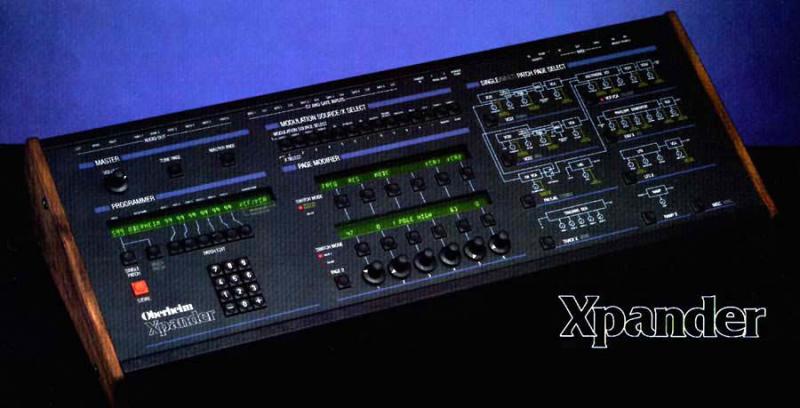
Yes, if you sample your gear,- see the instrument you sample as "the oscillator- the sound source" and the sampler as the instrument you use later.
A high quality sampler like Kontakt 3 p.ex., has a lot of modulators like envelopes, lfos, filters, step sequencer, VCA as also FX including amp models and so on.
So, best is to sample all the patches you use the same way since decades ( there are for sure some leads and pads as also basses) as the are and w/ multisampling techniques. Decide for a compromize of count, lenght of samples and memory usage.
With a hi end sampler ( I have Halion and Kontakt ) which is running on a computer, you don´t have to care on memory at all.
Listen in which zone/range of a keyboard the selected patch you want to sample sounds best and how you used it yourself on the original instrument. Sample that range only but w/ as much velocity steps as possible and possibly all the keys of that range separately.
This is what Samplerobot automatically does and it´s doing more !!!
Now you have your patch sampled as it is p.ex. ...
Next,- edit exactly this patch. Remove all the filter modulations and eventually almost everything comparable what your sampler can do w/ the resulting samples later,- but keep everything whats related to the oscillators like fixed frequency and/or PWM modulation amounts, detune of osc 1+2, FM/lag settings p.ex. or ring modulations if it is important for the basic sound. Now sample the resulting sound at full velocity, full open filter but no resonance (eventually several times w/ different filter modes) at max level., now you get samples the way you can use the modifiers of your sampler to a full potential later.
If your sampler does portamento, don´t sample it. If it does PWM to raw wave samples, don´t sample PWM.
Instead multisample the oscillator section w/ open filter but w/ only 1 Osc. switched on,- do this the 2nd time with the other Osc. switched on and the 1st off, both w/ separate Pulse Widths settings but no modulation. Do this w/ the OSCs not detuned against each other. Better do a layer of both of these multisamples in your sampler later and detune th layers against each other in the sampler.
Controllers and Midi settings of the synth to sample you can ignore,- Samplerobot allows you to tell the program what the sampler shall do later to your samples w/ midi controllers, vibrato included.
It´s a bit of a learning process and time consuming, but you can get very intersting results which sound not like the original for sure but sometimes also better and you can use many sounds of your beloved vintage gear in modern DAWs without having the dinos connected all the time, audio and midi wise, and without dealing w/ probs of midi and external gear on your DAW.
Also it saves the live of your old machines because they aren´t always running.
The biggest advantage of modern DAW usage isn´t virtual instruments, - it´s advanced sampling, automation and total recall. Recording audio to disk is nothing else than sampling.
Karl schrieb:
--- In xpantastic@yahoogroups.com, PeWe > wrote:
I know I could multisample this but a lot of my
patches were ambiant shifting kinds of things and use too much
memory. You probobly know this is also a problem with LFO rates also.
By the time you switch everything off. You are just sampling a pure
wavform.
So I scratched this Idea.