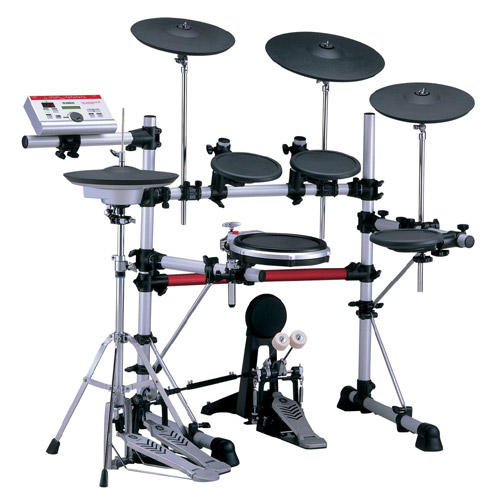
--- In DTXpress@yahoogroups.com, "fjcelauro" <fjcelauro@y...> wrote:
>
> i just put a pintech CC101 mesh snare on my dtxpress and i put the
> selfreject on 0 (like i did with my kick to get all the notes) but
> what relationship should the reject setting have to that and what
does
> it even mean/do?  if i do a flam, the second hit isn't triggered?
and
> in the middle of the pintech head, there is this foam column that
> obstructs any natural sound or feel that I can't even figure the
> purpose for.  can i take it out?  it seems glued in there.  edrums
and
> great but they are not simple.  any suggestions anyone (especially
the
> man in the know, my boy Ed)?
> rock and roll everyone (if that's your thing)!

Self-rejection applies to a pad's tendency to rebound on itself,
creating double triggers, or echoes. If a pad's gain is too high, or
it somehow has a tendency to sound twice when hit once, self-
rejection will help to tame it. Set the number as low as possible to
eliminate the problem; otherwise subsequent intentional hits that do
not rise above the self-rejection threshold will be muted. This is
the rejection setting that most obviously applies to pads not on the
rack, like a snare or high hat on a stand or a kick.

Rejection and specific rejection are aimed at keeping a pad from
making inadvertent sounds because of vibrations from strikes on other
pads along the rack. Rejection is a global protective setting for
each pad, and specific rejection applies to interference from a
particularly troublesome pad, usually a neighbor. Again, these
rejection settings should be only as high as necessary to solve a
problem. They do their job by preventing the affected pad(s) from
making stray sounds under a certain kind of duress, but programmed
incorrectly, they can impede normal use. After all, we don't buy
these things not to work when we hit them.

I answered the question about the foam column in the Guyatone post.

Ed